


My name is Ed Rogan. I am a partner at Valtas Group, and I work in our executive search practice. In this video, I am going to talk about five common interview questions.
Now I am not going to tell you what to say because well, that would be cheating. But I will offer guidance on how you can craft effective responses.
First, a quick overall tip:
Make sure you focus on answering the question that you have just been asked. That may seem an unnecessary bit of advice but believe me, it is easy and common for people to stray from a topic when answering a question.
Question number one:
“Tell us a little about yourself.”
This is a common icebreaker or warm-up before getting into more specific topics and while this may feel like a throwaway question. It is still very important and can set the tone for your entire interview. Your response should be no more than three to five minutes leaning on the side of brevity. Remember, you do not have to cover everything. Subsequent questions will allow you to discuss more specific experience and skills as the interview progresses.
In terms of structure, I would suggest that you include a brief mention of your education and any licenses or certifications that apply to this role then move on to a couple of highlights from your career and make the link to how they apply to the position.
Next, you may want to mention any “life experience” you’ve had that has impacted your life or career.
Question number two:
“Why did you apply for this job?”
Show the interviewer that you have done some research and you have an understanding about the mission and work of the organization. This is your chance to flatter your listeners and tell them why this organization is the one that you want to work for. In your response you can talk about the organization’s reputation as a leader in their field.
- You can quote their vision statement and draw a parallel to your experience and career goals.
- You can talk about the organization’s values and how they align with your personal values.
- You can talk about the size or structure of the organization and how it fits with your career aspirations.
There are lots of options here. Just make sure that what you are saying is specific to this organization avoid generic answers that could apply to any organization. Also focus on why you want to join this organization, not on what is compelling you to walk away from your current employer.
Question number three:
“Why should we hire you?”
Now, this is your chance to demonstrate to the interviewer that you have analyzed the responsibilities of the position and you have developed a clear understanding of how your skills align with their needs now in addition many organizations think very short term.
What do we need in this position right now? Show them how you have grown professionally throughout your career to demonstrate your ability to be the right fit now and into the future.
- What new skills did you pick up in your most recent role?
- What did you learn from that experience?
- How might that apply to this job?
You can also mention your professional aspirations in your response. Tell them how long you are planning to commit to the role and what you expect to learn or gain from this career move.
Question number four:
“Tell us about a mistake or failure.”
Don’t try to duck this one. We have all made mistakes and remember this question is not really about what you did as much as about what you learned from the experience.
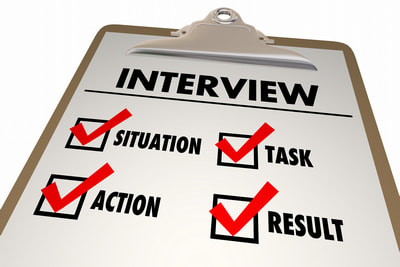
For a question like this I would recommend using what we call the “star or spar method.” That stands for situation task or problem action and result. Briefly describe the situation you were in, what was the task or problem that you faced, what action did you take, and perhaps most importantly what were the results. How did the story end? Don’t leave the interviewer hanging. Wrap it up so they have a sense of resolution. Then briefly talk about what you learned from the situation and how that lesson has impacted your behavior and decision making since then.
Question number five:
“What are your strengths and weaknesses?”
Let’s take them each separately.
First of all, strengths. Before you interview with an organization do an analysis of the job’s responsibilities. I referenced this earlier. That way you can focus your answer to this question on the qualities, skills, and experiences that you bring to the table that apply directly to this job. Again, make the connections explicit for your interviewer rather than relying on them to make the link between your skills and this job.
Now, weaknesses. Again, do not try to duck this one. None of us are perfect and no one is a perfect fit for a given job. I recommend that you offer up a ”state weakness” rather than a “trait weakness.” Pick something that is changeable. Then tell the interviewer how you changed it or plan to change it. For example, you might say that you had to get training on reading and interpreting financial statements when you accepted your current role. Or, if you are relocating for this job, you may have to get familiar with local regulations that apply to this organization that do not apply in your current location. Something like that show the interviewer that you are a lifelong learner and that you take initiative to close gaps in your skill set or knowledge base when they emerge.
Well, that is it for now. Please take a look at my other videos for more tips on effective interviewing.
Thanks for watching.
About Valtas Group
Valtas Group works as Interim Executive Directors, supporting organizations in times of transition and helps organizations navigate uncertainty during leadership change.
Valtas Group also leads the search process in partnership with the board and staff leadership, as consultants for recruiting and search to support organizations identify the ideal Executive Director or leader.
Valtas Group partners with board members and senior nonprofit leaders on a variety of strategic consulting assignments. Valtas Group has a variety of comprehensive resources to guide your transition needs. Contact us to learn about executive interim and placement services.